


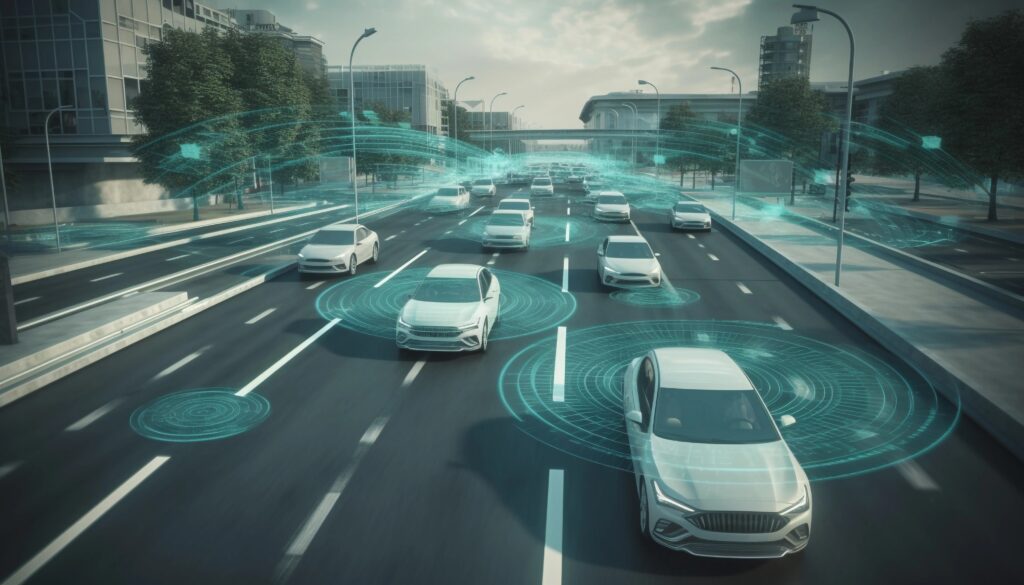
Modern fleet management has evolved rapidly in the last decade, largely due to advances in telematics technology. This technological shift has empowered fleet operators to move beyond simple tracking, allowing for more efficient, intelligent, and secure operations.
While telematics was once considered a niche component in logistics and transportation, it is now fundamental to the day-to-day operations of fleets, both large and small.
Understanding telematics: beyond GPS tracking
Telematics merges telecommunications and informatics to provide real-time data exchange across vehicles and control centers. Traditional GPS was just the starting point. Modern telematics systems gather and analyze a wide array of vehicle data, such as location, speed, fuel consumption, engine diagnostics, and driver behavior.
These data points enable fleet managers to gain a holistic view of their operations. This enhanced visibility is critical for identifying inefficiencies, preventing unauthorized use, and ensuring compliance with regulatory requirements.
With telematics, fleet management evolves into a data-driven discipline. Vehicle usage patterns, such as harsh braking or acceleration, can now be monitored to improve safety and prolong vehicle life. Monitoring driver habits also allows organizations to create targeted training programs, which can result in significant long-term savings and operational improvements.
The foundation formed by telematics technology is essential for developing advanced, smart fleet solutions that address both current and future mobility challenges.
Enhancing fleet security through telematics solutions
One of the most pressing concerns for fleet operators is security, both in terms of physical assets and sensitive operational data. Telematics plays a pivotal role in safeguarding fleets from theft, unauthorized access, and cyber threats.
Advanced telematics systems can immediately alert managers if a vehicle deviates from its preset route, operates outside of authorized hours, or enters restricted zones. These real-time alerts enable swift responses, reducing the risk of loss and improving the chances of asset recovery.
Beyond physical security, telematics supports the secure handling of data streams generated throughout fleet operations. Data encryption, user authentication, and secure access protocols are built into many telematics platforms, helping organizations remain compliant with data privacy regulations and reduce exposure to digital risks.
This is particularly relevant as vehicles become increasingly connected, broadening the potential cyber-attack surface. Employing robust telematics is thus vital for both operational and information security in modern fleets.
Building smarter fleets with predictive insights
The analytical power of telematics extends far beyond real-time monitoring. By leveraging historical and real-time data, fleet operators can proactively address maintenance needs, anticipate breakdowns, and optimize routing to improve efficiency. Predictive maintenance is one of the most impactful areas where telematics helps identify issues before they lead to costly repairs or unexpected downtime. This maximizes vehicle availability and reduces maintenance expenses over time.
Telematics platforms often integrate with other fleet management systems, providing insights related to vehicle utilization, driver scoring, and fuel efficiency. These insights allow companies to fine-tune scheduling, reduce idle time, and allocate routes based on both driver performance and vehicle health. With intelligent reporting and automated recommendations, telematics-driven fleets can quickly adapt to changing business needs, improve resource allocation, and drive sustained operational improvements.
The future impact of telematics on fleet management
The continued progression of telematics will reshape how organizations approach fleet management in the coming years.
As connectivity increases and artificial intelligence features become more prevalent, telematics systems are expected to support fully automated processes such as real-time rerouting, autonomous vehicle integration, and dynamic compliance monitoring. The transition toward smarter and more secure fleets will only accelerate as telematics technology becomes more sophisticated and accessible across all types of industries.
Embracing telematics means not only optimizing operations but also preparing for future mobility trends such as electrification, shared mobility, and integration with smart city infrastructure. By acting on telematics data today, businesses can ensure they remain competitive, resilient, and ready for whatever challenges and opportunities the evolving transportation landscape brings.
Fleet managers who recognize the strategic importance of telematics are best positioned to lead their organizations toward smarter, safer, and more agile fleet operations.


Community Discussion
Join the conversation. Ask questions, share solutions, and help others.
Be the first to start the discussion!