
Ubuntu users and open-source enthusiasts should be on high alert: a sophisticated impersonation campaign is exploiting Ubuntu’s branding — and possibly its official X (formerly Twitter) account — to lure victims into a crypto airdrop scam tied to a fake AI agent called “Numbat.”
The fraudulent campaign surfaced today, May 7, through a thread posted from @ubuntu on X, announcing “Numbat” as “Ubuntu’s newest AI agent built on Solana” and directing followers to ai-ubuntu.com.
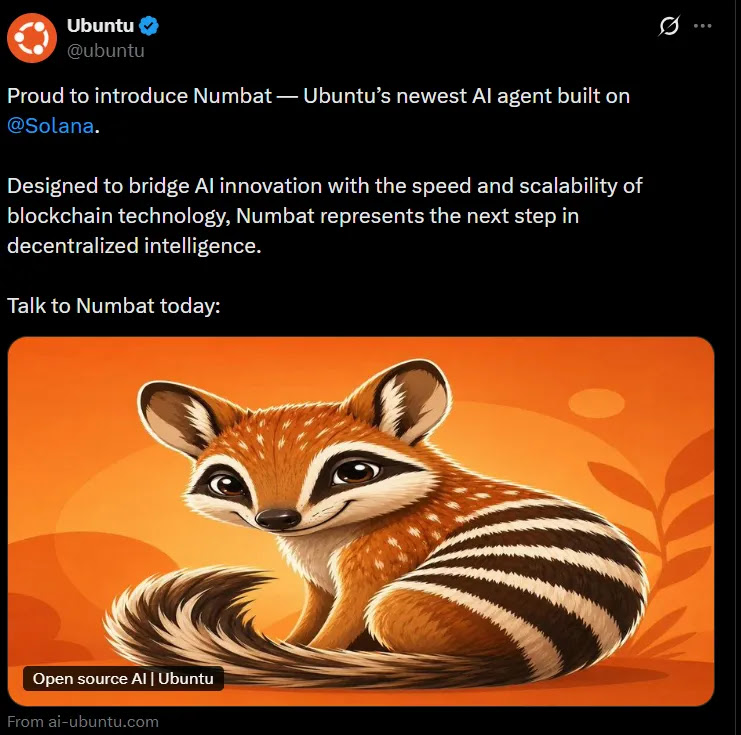
The thread even carries the hallmark self-awareness of a compromised account: the final tweet states comments were disabled “due to suspicious links and impersonation attempts” — while the thread itself is the suspicious impersonation.
The Scam Unpacked
The ai-ubuntu.com website is a carefully assembled forgery. It lifts real Ubuntu AI documentation wholesale — references to Charmed Kubeflow, Canonical’s NVIDIA partnership, MLOps workflows, and Canonical’s actual open-source AI tools — and wraps them around fake crypto incentives.
Buried in the legitimately sourced content is the scam’s actual payload: a “$UM token” airdrop promising “future allocations” to early ecosystem participants, with an ominous “Snapshot approaching” countdown designed to manufacture urgency.
This technique — blending genuine technical content with fraudulent incentive structures — is increasingly common in brand impersonation attacks targeting developer and open-source communities, where technical credibility lowers victims’ guard.
Cyber Kendra checked the WHOIS record for the domain and found that it was registered on May 06, 2026 (a day before), with the Registrar: NICENIC INTERNATIONAL GROUP CO., LIMITED.
Also Read
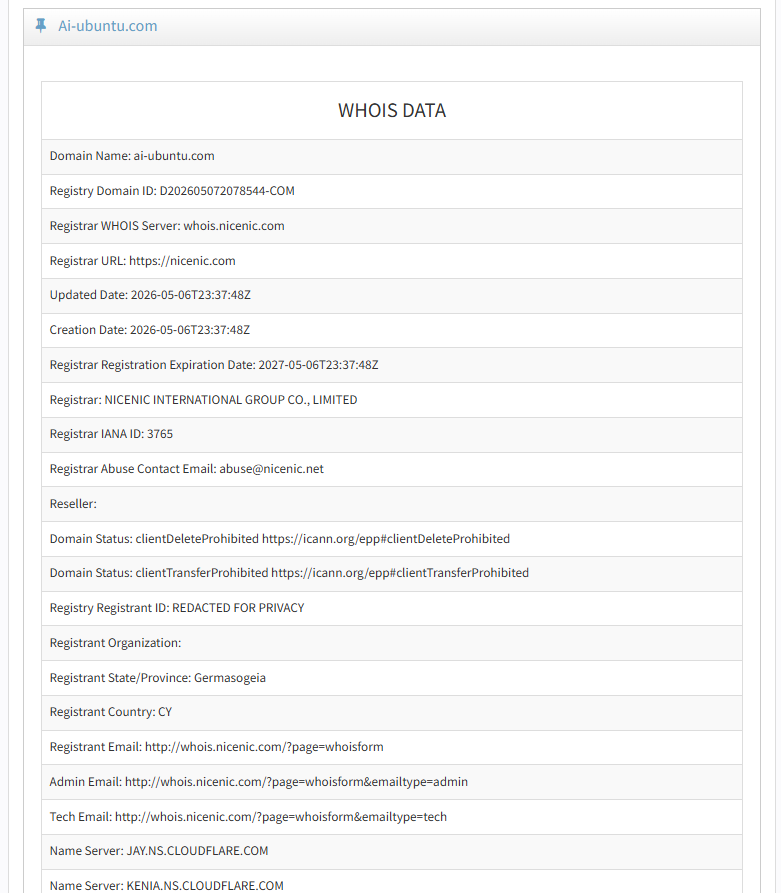 |
| Whois records |
What This Looks Like in Practice
Whether the @ubuntu account was directly compromised or the X profile was spoofed, the attack follows a well-worn playbook: impersonate a trusted tech brand, invoke AI and blockchain buzzwords to signal legitimacy, dangle token rewards for early participants, then harvest wallet connections or personal data through the “eligibility check” flow on the fraudulent site.
The second document — appearing to mirror ai-ubuntu.com’s landing page — reinforces the con by using real Ubuntu workstation imagery, authentic tool logos (TensorFlow, PyTorch, Jupyter, Kafka), and real Canonical partner branding to pass visual inspection.
Scammers simply copied the official Ubuntu AI page and added altered text. [Check Image for difference]
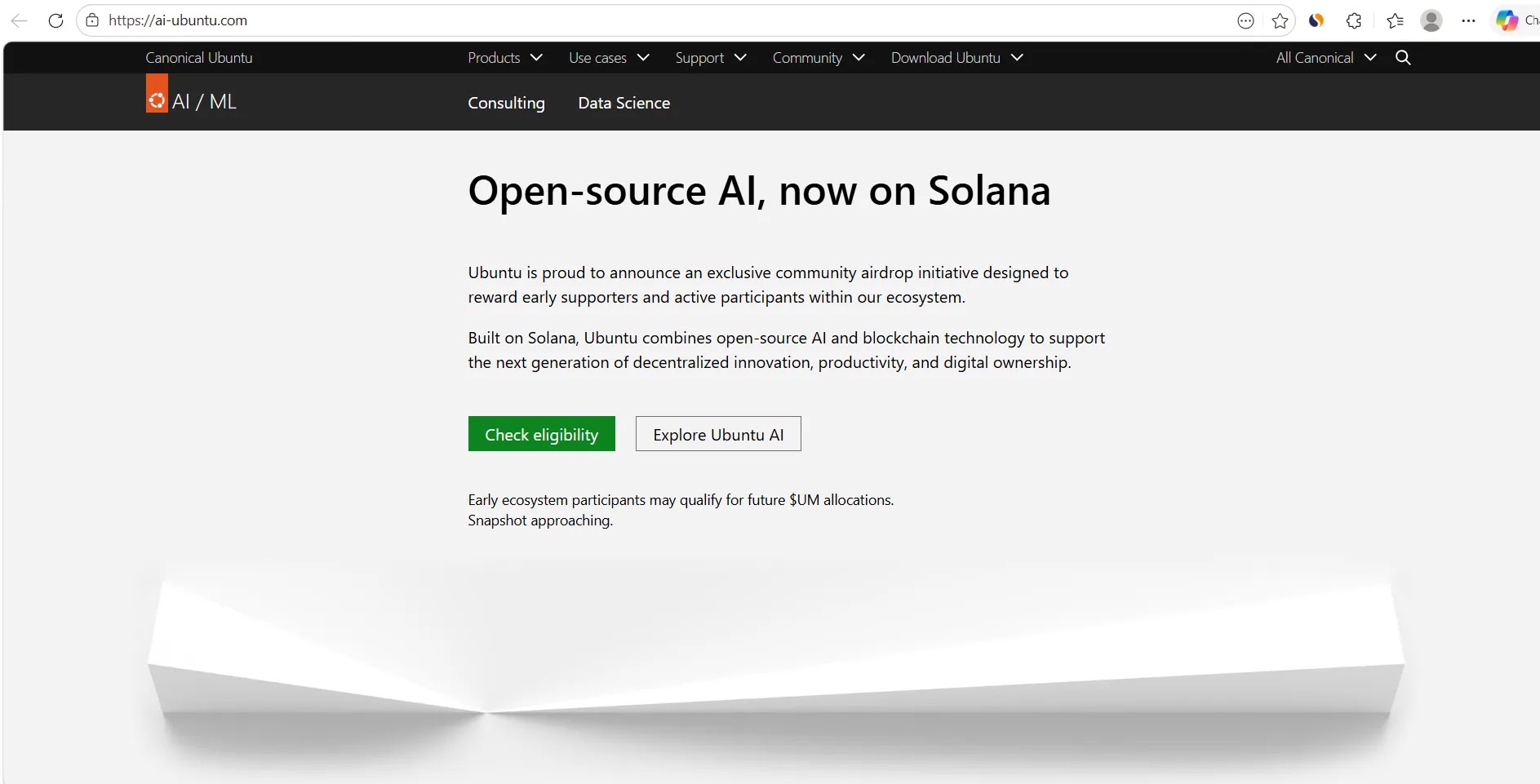 |
| Fake Ubuntu AI webpage |
 |
| Official Ubuntu AI webpage |
What You Should Do
Do not visit ai-ubuntu.com or connect any wallet to the site. Do not click links from the @ubuntu X thread. Verify any Ubuntu AI announcements exclusively through ubuntu.com and canonical.com. If you’ve already interacted with the site, revoke any wallet permissions immediately and monitor connected accounts for unauthorised activity.
Canonical has not issued a public statement at the time of writing. Cyber Kendra has reached out for comment.
The incident is a sharp reminder that even trusted open-source brand accounts are prime targets — and that crypto airdrop language should always trigger immediate scepticism, regardless of how official the surrounding content looks.



Community Discussion
Join the conversation. Ask questions, share solutions, and help others.
Be the first to start the discussion!