

Artificial intelligence is moving beyond text and static images into increasingly sophisticated forms of video generation. What once required cameras, editing software, actors, animation skills, and long production schedules can now begin with a written description, an image, or a simple concept. The AI Video Generator has become part of this wider shift, giving users new ways to experiment with moving images and synthetic media.
The development is not happening in isolation. Major technology companies and AI researchers are investing in systems that can understand visual scenes, movement, timing, and user instructions. The growing use of an AI Video Generator reflects this broader shift within Higgsfield, supporting creative video workflows and visual experimentation as newer systems focus on better motion, realism, audio, and creative control.
For Cyber Kendra’s technology-focused audience, the development is worth watching because it brings both opportunities and new questions about privacy, authenticity, identity, copyright, and digital trust.
What Is an AI Video Generator?
An AI Video Generator is software that uses machine-learning models to produce or transform video based on user-provided instructions or media.
Depending on the platform, users may be able to start with a text description, upload an image, provide an existing video, or combine several inputs. The system then interprets those instructions and generates a visual result.
Modern models are increasingly designed to understand more than individual objects. They attempt to interpret relationships between subjects, environments, camera movement, and actions. This is one reason generated video has progressed from short experimental clips toward more controlled visual sequences.
The technology is still developing, however. Generated footage can contain inconsistent details, unusual motion, incorrect physics, or other visual errors. That means human review remains important even when the generation process is highly automated.
How Generative Video Technology Works
At a basic level, an AI Video Generator receives information and converts it into a representation that a generative model can process.
A text prompt might describe a person walking through a city at night. An image might provide the starting appearance of a character or environment. The model then attempts to predict how the requested scene should look across multiple frames.
This is considerably more complicated than generating one image.
A video contains a sequence of frames, and the model needs to maintain relationships between them. A person’s appearance should remain reasonably consistent while moving. Objects should behave in ways that make sense. Camera movement should correspond with the requested scene.
Earlier generations of video models often struggled with these issues. Newer systems are improving temporal consistency, motion, and prompt adherence, although limitations remain.
The evolution is therefore not simply about producing prettier videos. It is also about improving the model’s understanding of how visual information changes over time.
Why the Technology Is Gaining Attention
The growing interest in an AI Video Generator stems partly from the effort required in conventional video production.
Producing a short clip can require planning, filming, editing, sound design, graphics, and several rounds of revisions. Even relatively simple content can consume significant time.
Generative systems change the starting point. Instead of assembling every visual element manually, users can begin with an idea and generate a draft. That draft can then be reviewed, adjusted or used as inspiration for a more conventional production.
This makes experimentation easier. A developer working on a new application could create a visual demonstration before arranging a full shoot. A designer could test different environments. A filmmaker could explore a scene before committing resources to production.
The technology, therefore, has value even when AI does not completely generate the final output.
From Text Prompts to More Controlled Video
Early text-to-video demonstrations attracted attention because of their ability to turn written descriptions into moving scenes. However, development is moving toward greater control.
An AI Video Generator can increasingly be part of workflows in which users provide reference images, existing footage, or detailed instructions.
This matters because creative professionals often need more than a general visual interpretation. They may need a particular subject, composition, camera angle, environment or sequence.
The material illustrates this progression, including text-to-video generation, image-based inputs and tools for extending or modifying video.
Greater control could make the generated video more useful for practical applications rather than demonstrations alone.
Potential Uses Across Digital Technology
The use of an AI Video creator is expanding across several areas of digital media.
Product Demonstrations
Companies can use generated scenes to explain how a product works or illustrate features that may be difficult to film.
Education
Teachers, publishers and technology companies can experiment with short explanatory videos that visualise concepts.
Prototyping
Filmmakers, game developers and designers can create visual references before investing in a full production.
Advertising
Marketing teams can test different visual ideas and campaign concepts without producing every version through traditional methods.
Social Platforms
Short-form video remains a major digital format, driving demand for tools that help users produce visual content more efficiently.
Training and Presentations
Businesses can potentially use generated sequences to explain procedures, scenarios or product information.
These applications do not necessarily mean that conventional production will disappear. Instead, generative video can become another layer in a larger production process.
Image-to-Video Is Becoming More Important
One particularly interesting development is the connection between image generation and video generation.
An AI Video Generator can take a still image and introduce movement, camera motion or environmental changes. This creates a bridge between static visual creation and animated content.
For example, a designer could first create a concept image showing a futuristic vehicle and then turn that concept into a short moving sequence.
This workflow can be useful when visual consistency matters. Rather than describing an entire scene from scratch, the user begins with an established visual reference.
Higgsfield is a platform operating within the broader AI visual technology landscape, offering tools designed for generative video workflows. For users exploring AI-assisted video production, Higgsfield can be considered alongside other emerging platforms rather than as a replacement for every conventional production method.
The combination of image and video generation also points to a larger trend: AI media tools are increasingly being integrated into a single creative workflow.
How Higgsfield Fits Into the Changing Landscape
Higgsfield represents one example of how AI video platforms are attempting to make advanced visual generation more accessible.
For someone experimenting with generated video, Higgsfield AI creative suits provide an environment to explore visual concepts, motion, and different forms of AI-assisted production.
The broader significance is not simply the availability of another tool. It is the increasing number of options available to users who previously needed specialised production software or technical expertise.
Higgsfield also sits within a competitive ecosystem where different platforms approach generation, editing, motion and visual control in different ways. That competition is likely to continue as AI video technology develops.
Security and Privacy Questions Cannot Be Ignored
The growth of AI Video Generators also raises security concerns. One of the biggest issues involves the use of real people’s faces, voices and identities.
A convincingly generated video can potentially make someone appear to say or do something that never happened. This creates obvious risks for misinformation, fraud, harassment and impersonation.
AI-generated video can also make traditional assumptions about digital evidence less reliable. A video was once considered strong evidence that an event occurred. Synthetic media complicates that assumption. The issue is particularly significant when generated footage depicts public figures, employees, customers or private individuals.
The safety of documentation identifies risks involving misleading generations and non-consensual use of likeness, showing that these concerns are being considered at the model-development level.
Deepfakes and the Problem of Trust
The rise of the AI Video Generator is closely connected to the wider deepfake debate. Deepfake technology is not new, but improvements in generative models are making synthetic media easier to produce and potentially more convincing.
A manipulated video could be used to spread false information, imitate a public figure, damage someone’s reputation or support a financial scam. This means technological progress needs to be accompanied by better methods for identifying synthetic media.
Content provenance is one approach gaining attention. The Coalition for Content Provenance and Authenticity, or C2PA, is developing standards that can attach tamper-evident information to digital content and communicate how an asset was created or modified.
These systems cannot solve every problem, but they can give platforms and audiences additional information about digital media.
Transparency Could Become a Major Part of AI Video
As synthetic video becomes more common, transparency may become just as important as generation quality.
An AI Video Generator can produce impressive footage, but viewers also need to know whether something was recorded traditionally, digitally edited or generated substantially through AI.
Some technology companies are already experimenting with provenance signals, watermarks and metadata. For example, has described the use of C2PA metadata and other signals for identifying generated video. The broader industry challenge is creating standards that work across different platforms.
If one service identifies generated content using one system and another uses a completely different method, users may struggle to understand what the signals mean. Common standards could make digital provenance easier to interpret.
Copyright and Ownership Remain Complicated
Another issue surrounding an AI Video Generator is ownership. Users may assume that generating a video automatically gives them unrestricted rights to everything depicted in it. In reality, copyright and licensing questions can depend on the tool, the source material, the jurisdiction and how the final work was created.
Reference images can create additional complications. If a user uploads someone else’s photograph, brand asset or copyrighted artwork, the fact that an AI system transforms it does not automatically eliminate the original rights associated with that material.
Businesses using generated media should therefore review the terms of the platform they use and consider the origin of all uploaded assets.
What Users Should Consider Before Using AI Video Tools
Before adopting an AI Video Generator, users should look beyond visual quality.
Check Input Policies
Understand how uploaded images, videos and other files are processed.
Review Usage Rights
Check whether the generated material can be used commercially and under what conditions.
Protect Sensitive Information
Avoid uploading confidential documents, private footage or sensitive personal information unless the service’s policies and security controls are appropriate.
Verify Real-World Claims
Generated footage should not be treated as proof that an event happened.
Consider Consent
Extra care is required when generating content involving identifiable people.
Keep Human Review
Important content should be checked before publication, especially when it involves news, public figures or factual claims.
Higgsfield is one option users may investigate when comparing platforms, but the right choice ultimately depends on the intended application, control requirements and privacy considerations.
The Technology Is Still Evolving
The current generation of video models should not be treated as the final stage of the technology.
An AI Video Generator is likely to become more capable as models improve their understanding of motion, physics, sound and real-world interactions. Future systems may provide more precise control over individual objects, characters, camera movements and environments. They may also become better at maintaining continuity across longer sequences.
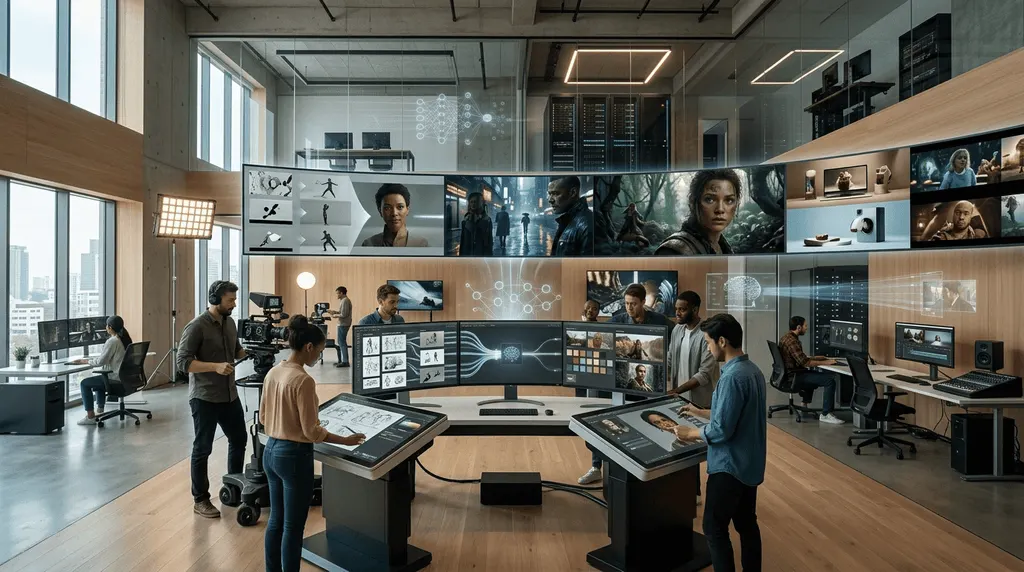
The biggest change may be the move from isolated generation to complete production workflows. Instead of simply producing a clip, AI systems could eventually help with planning, storyboarding, generation, editing, sound and adaptation for different formats.
Why Responsible Development Matters
The rapid development of an AI Video Generator makes responsible deployment increasingly important. Technology companies need to consider misuse before releasing increasingly powerful capabilities. Users also need to understand what these systems can and cannot reliably produce. The challenge is finding a balance.
Restricting useful technology too heavily could limit legitimate experimentation and innovation. Releasing powerful systems without adequate safeguards could increase opportunities for abuse.
The published safety material on Sora demonstrates this tension, particularly regarding likeness, misleading content, and synthetic media provenance. For the wider technology industry, the lesson is straightforward: generation quality and safety need to develop together.
What Comes Next for AI Video?
The next phase of the AI Video Generator market will likely involve greater control, greater realism, and stronger integration with other AI systems.
Text, images, video, and audio are increasingly treated as connected forms of information rather than as completely separate categories. This could allow users to start with an idea, create a visual reference, animate it, add sound and refine the result through a single workflow.
Higgsfield is part of this expanding ecosystem, alongside numerous other companies developing different approaches to AI-powered visual production. Competition between these platforms may ultimately benefit users by encouraging better controls, stronger outputs and more transparent practices.
However, technical progress alone will not determine the long-term impact of generated video. Trust will matter just as much.
Final Thoughts
The rise of the AI Video Generator shows how quickly generative AI is moving from experimental demonstrations toward practical digital technology. The ability to create video from text, images and other inputs can reduce barriers to visual experimentation and open new possibilities across education, software, entertainment, advertising and digital communication.
At the same time, the technology raises serious questions about identity, misinformation, privacy, copyright and authenticity. Higgsfield and similar platforms demonstrate how quickly the ecosystem is evolving, but users should evaluate these tools based on more than just visual quality.
The future of generated video will depend on a combination of better models, stronger safeguards, transparent provenance and responsible use. As synthetic media becomes easier to create, knowing how a video was produced may become almost as important as watching the video itself.


Community Discussion
Join the conversation. Ask questions, share solutions, and help others.
Be the first to start the discussion!