


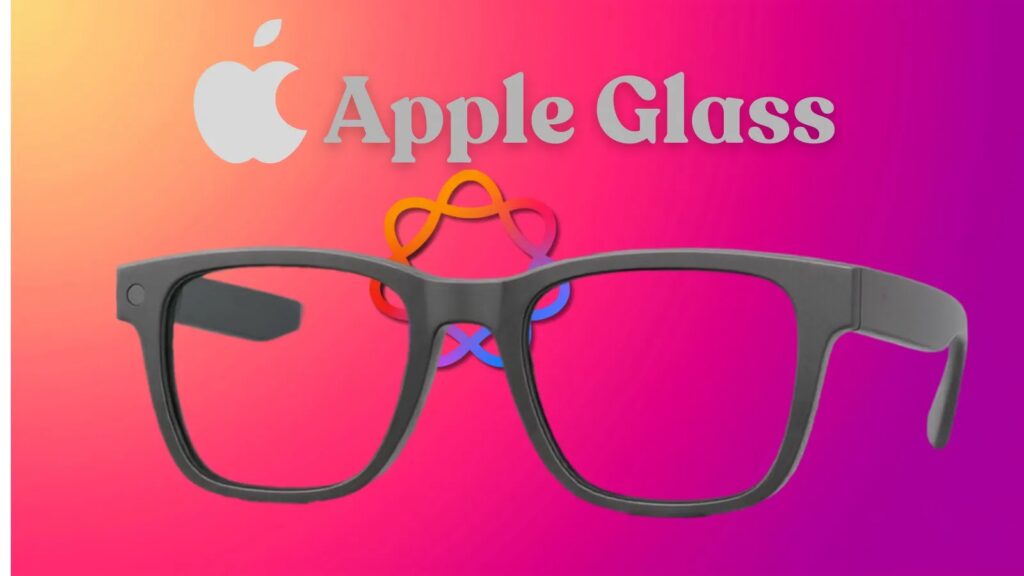
Apple’s first smart glasses — internally codenamed N50 — won’t arrive until the end of 2027, according to Bloomberg’s Mark Gurman. Originally slated for a late 2026 reveal and early 2027 shipping window, the timeline has slipped again, and this time the stakes are genuinely high.
The delay matters more than a year on a product roadmap usually would. Meta sold over 7 million Ray-Ban smart glasses in 2025 alone and now commands roughly 82% of the smart glasses market.
By the time Apple’s frames hit store shelves, Meta will have had a four-year head start — with new Oakley AI performance glasses and a display-equipped model already shipping alongside LensCrafters retail partnerships firmly in place.
Why the Delay, and What We Know About the Hardware
The holdup traces back to Siri. Apple’s N50 glasses won’t function as a standalone device — they pair with an iPhone over Bluetooth, offloading heavier AI processing to the phone.
That makes the new, significantly upgraded Siri (expected with iOS 27) a hard dependency for the product. Siri’s overhaul has itself been delayed repeatedly, pushing back not just the glasses but also camera-equipped AirPods and a suite of smart home devices.
The glasses themselves are hardware-first: two cameras (one for photos/video, a second dedicated to computer vision), speakers, microphones, and a custom N401 chip derived from Apple Watch silicon — optimized for all-day battery life over raw performance.
Four frame styles are reportedly being tested in premium acetate, including a Wayfarer-style rectangular and a slimmer version resembling Tim Cook’s own frames. Oval-shaped cameras with LED indicator lights give the design a signature look distinct from Meta’s circular modules. No display. No AR overlay. Just a wearable that sees, listens, and connects.
The $200 Billion Playbook
Apple isn’t framing this as a tech gadget play — it’s going after the traditional eyewear industry the same way the Apple Watch dismantled the mid-tier watch market. The comparison carries weight: Swatch revenue dropped 28% between 2014 and 2025, while Fossil’s sales collapsed roughly 70% over the same period. The Apple Watch did that to a market valued in the tens of billions.
The eyewear market is valued at roughly $200 billion annually, and the WHO estimates that 2.2 billion people worldwide have some form of vision impairment. Apple is reportedly targeting the $200–$500 price bracket — the same segment occupied by EssilorLuxottica’s Ray-Ban and Oakley, Safilo, and Warby Parker.
The Uncomfortable Truth Apple Has to Reckon With
Even with a 2-billion-device ecosystem and global retail presence, Apple faces a challenge the Apple Watch never did: consumers already have a preferred brand on their faces. Meta’s Ray-Ban partnership gave smart glasses immediate cultural legitimacy — Wayfarers were desirable objects before any chip was inside them. Apple’s N50 will launch into a market where millions of users are already comfortable with a competitor’s product.
There’s also the Android problem. Apple’s longstanding refusal to support Android locks out the majority of the global smartphone market, effectively handing Meta a permanent lane. Ironically, Apple’s entry could accelerate the entire category’s mainstream adoption — and Meta will be right there to capture every Android user who gets curious.
The project has full commitment from the top: Tim Cook has reportedly called it his highest priority, and his likely successor, John Ternus, has been leading the Vision Products Group through development for two years. That’s not a side project.
But with Meta already scaling production capacity toward 20–30 million units per year, Apple is fighting for second place on day one — and will need its best-ever Siri to close the gap.

Community Discussion
Join the conversation. Ask questions, share solutions, and help others.
Be the first to start the discussion!