The line between imagining something and actually building it in a video game just got a whole lot blurrier. Roblox has launched its 4D generation feature into open beta, letting players type what they want and watch it materialise as a fully functional object they can immediately use.
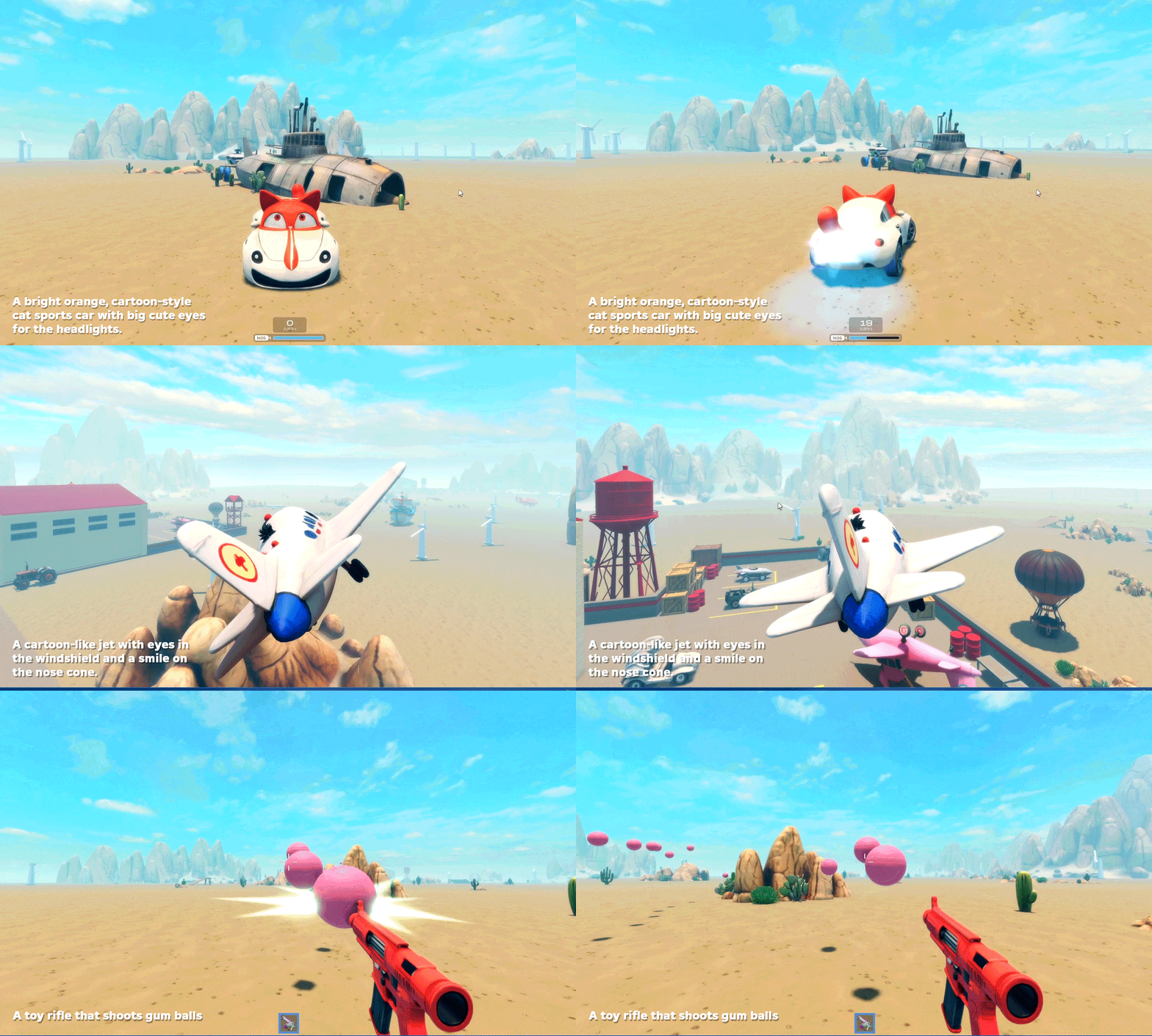
Type “sports car” and you’ll get a vehicle with spinning wheels you can actually drive. Request a dragon, and it’ll fly. This isn’t about creating static 3D models anymore—it’s about generating interactive objects that behave exactly how you’d expect them to, no coding or 3D modelling skills required.
The tech runs on Roblox’s Cube Foundation Model, an AI system the company first unveiled in March 2025. While Cube originally focused on generating static 3D objects (think furniture or buildings that just sit there), this 4D expansion adds what Roblox calls “the dimension of interactivity.”
Behind the scenes, the system uses predefined templates called schemas. Think of them as instruction manuals that tell the AI how to break objects into working parts. The “Car-5” schema, for instance, ensures every car gets generated with five separate components: a body and four independently spinning wheels. Scripts then automatically adapt to each object’s unique size and proportions, making sure parts function correctly regardless of the car’s final shape.
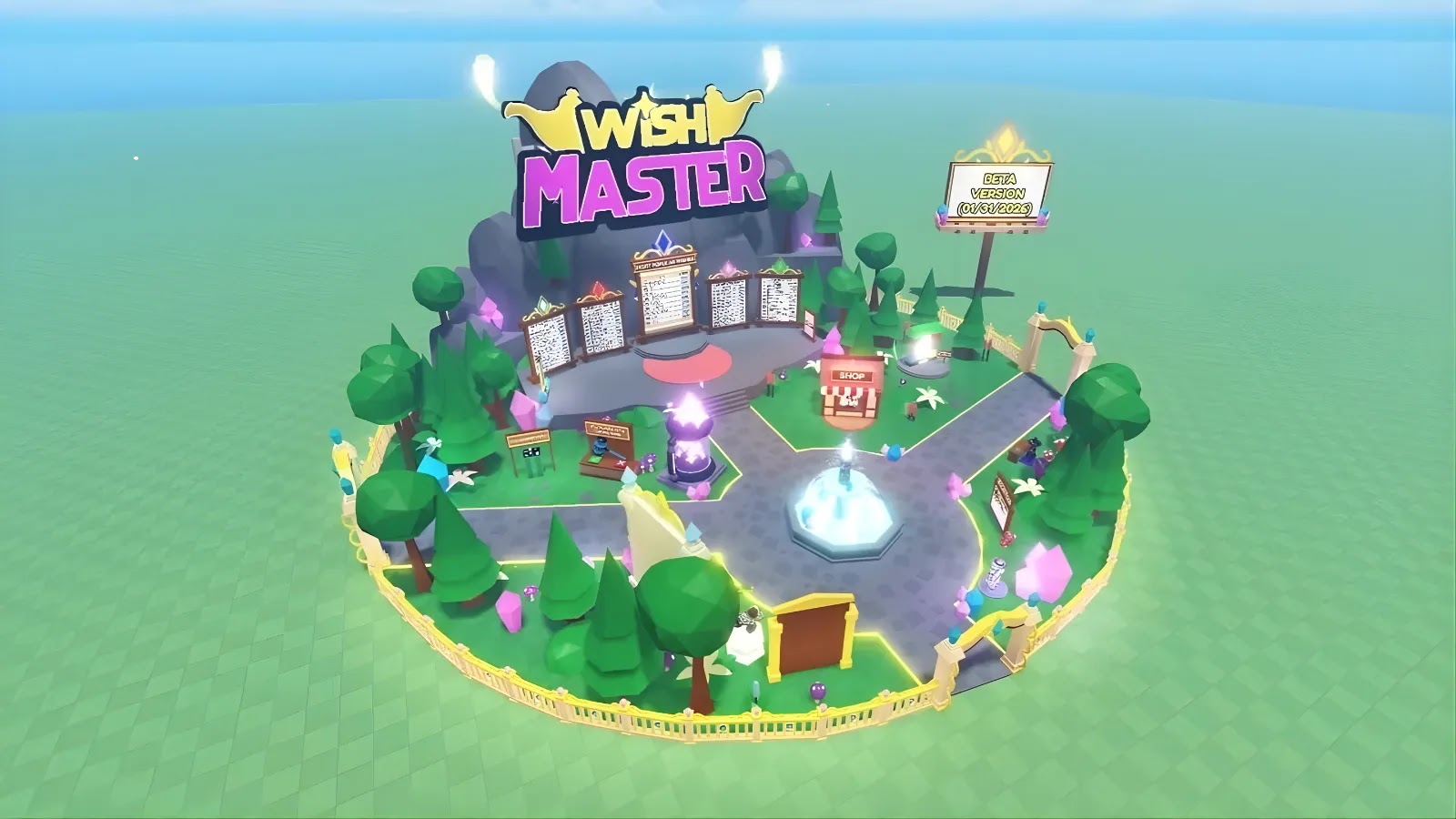
During early access testing in developer Laksh’s game Wish Master, players generated over 160,000 objects—from vehicles and aircraft to mythical creatures. The results speak for themselves: players using 4D generation spent 64% more time in the game on average.
Also Read
“Players would request things that didn’t exist or phrase their wishes in ways we hadn’t anticipated,” Laksh explained about the challenges of giving players total creative freedom. “We’ve been continuously improving the system to better interpret what players actually want.”
Who Can Use It and What’s Coming Next
The open beta is available now to Roblox’s 151.5 million daily active users. Creators can enable 4D generation within their experiences through Roblox Studio. The launch includes two schemas: Car-5 for multi-part vehicles and Body-1 for single-mesh objects.
Roblox plans to expand toward what it calls an “open vocabulary schema system” that could handle thousands of real-world object types. The company has produced 1.8 million assets through Cube 3D since launch, and the 4D expansion takes that foundation into uncharted territory.
The ultimate goal? CEO David Baszucki recently teased a project called “real-time dreaming” that would let creators generate entire interactive worlds using only text prompts. If 4D generation is any indication, the gap between professional game development and what everyday players can build is shrinking fast.
For Roblox’s massive community of independent developers, hobbyists, and professional studios, this could fundamentally reshape how quickly new experiences hit the platform. The question isn’t whether AI will change game creation—it already has. The question is how far players will push these tools once they’re no longer limited by technical skills.


Community Discussion
Join the conversation. Ask questions, share solutions, and help others.
Be the first to start the discussion!