


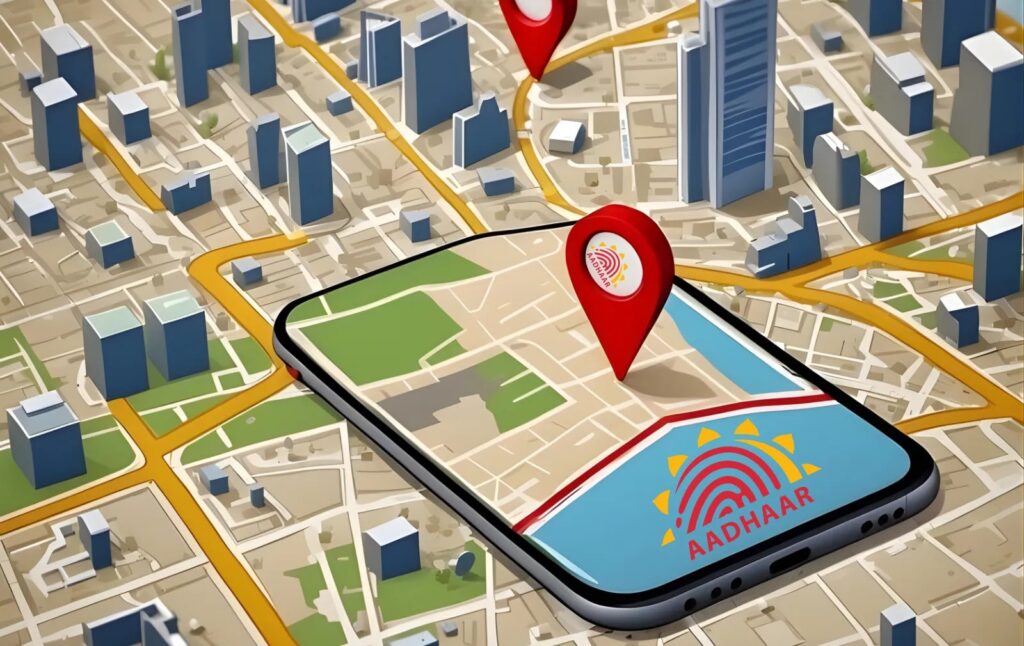
If you’ve ever wandered into the wrong office trying to update your Aadhaar address, or worse, fallen for an unofficial centre, that frustration is about to become a thing of the past.
India’s Unique Identification Authority of India (UIDAI) has formally partnered with Google to list all authorised Aadhaar centres directly on Google Maps — covering more than 60,000 locations nationwide, including the premium Aadhaar Seva Kendras (ASKs). The agreement was signed on February 26, 2026.
Currently, searching for an Aadhaar centre online can feel like a guessing game. Unofficial or outdated listings often mislead residents. This tie-up fixes that at the source — when you search on Google Maps, you’ll only be directed to UIDAI-verified centres.
But location alone isn’t the only upgrade. Each listing will also tell you what services that specific centre offers — whether it handles adult enrolment, child enrolment, or just address and mobile number updates. Accessibility details will be included too, such as whether the centre is divyang-friendly (accessible for persons with disabilities) and whether parking is available. Operating hours will be displayed where applicable.
“UIDAI is always focused on improving ease of living for Aadhaar number holders,” said Bhuvnesh Kumar, CEO of UIDAI. “This collaboration will ensure that navigating the authorised Aadhaar centres is now simpler, faster, and more transparent.”
What Comes Next
The rollout is expected in the coming months. In the next phase, UIDAI will use Google Business Profile — the same tool businesses use to manage their Google presence — to keep centre information updated and respond to public feedback in real time.
Further down the road, the partnership is exploring direct appointment booking through Google Maps itself, which would let you schedule a visit without any back-and-forth.
Google India’s Country Head of Strategic Partnerships, Roli Agarwal, described it as bridging the gap between government infrastructure and the people who need it most — a gap that, for a service touching over a billion residents, has been long overdue to close.
The feature will be free to use for anyone with the Google Maps app installed.

Community Discussion
Join the conversation. Ask questions, share solutions, and help others.
Be the first to start the discussion!