
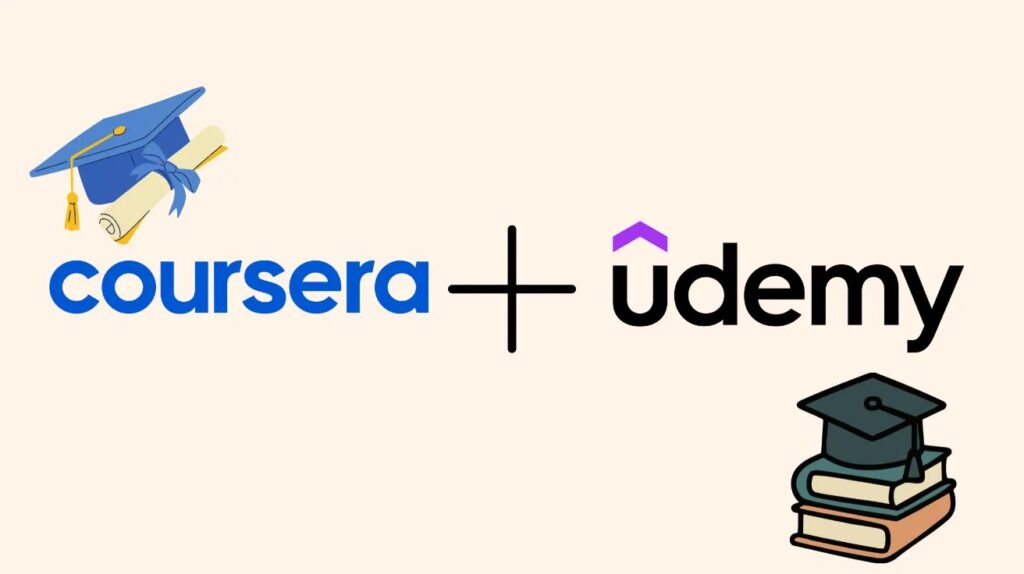
The online learning world just experienced its biggest shakeup yet. Coursera announced today it’s acquiring rival platform Udemy in a $2.5 billion all-stock deal that fundamentally reshapes how millions of professionals will access workplace training and career advancement tools.
This isn’t just corporate consolidation—it’s a strategic response to AI’s rapid disruption of job markets worldwide. The merged platform will serve over 191 million learners and thousands of enterprise clients, creating an ecosystem that bridges university-backed credentials with practical, instructor-led skills training.
“We’re at a pivotal moment in which AI is rapidly redefining the skills required for every job across every industry,” Coursera CEO Greg Hart explained. The combination addresses a critical gap: professionals need both formal certifications and agile, real-world skills as automation transforms their roles.
Under the agreement, Udemy shareholders receive 0.8 Coursera shares for each Udemy share they own. Current Coursera stockholders will control 59% of the combined entity, while Udemy shareholders will hold 41%. The deal is expected to yield anticipated annual cost savings of $115 million within two years.
What Changes When the Deal Closes
The transaction, expected to finalize in late 2026 pending regulatory approval, will maintain Coursera’s name and leadership structure. Greg Hart remains CEO, while co-founder Andrew Ng continues as board chairman. Udemy will become a wholly owned subsidiary, and its Nasdaq listing will be discontinued.
The strategic logic is compelling: Coursera partners with 375+ universities and offers structured degree programs, while Udemy contributes its marketplace of independent instructors, who offer rapid-deployment courses in high-demand areas such as generative AI, data science, and cloud computing.
“As a united platform, we can accelerate our AI-powered product roadmap,” noted Udemy CEO Hugo Sarrazin, highlighting plans for enhanced personalization and skills verification systems.
What You Should Do Now
If you’re currently enrolled in courses on either platform, no changes will occur immediately. Both services will continue to operate independently until the merger is completed. However, this consolidation signals broader market maturity—expect more integration between formal education and practical skills training across the industry.
For enterprise users, the combined platform promises unified access to both academic credentials and just-in-time learning, potentially simplifying workforce development programs that previously required multiple vendor relationships.


Community Discussion
Join the conversation. Ask questions, share solutions, and help others.
Be the first to start the discussion!