
These days, just being qualified isn’t enough. The job market’s changed. With automation, remote work, and a flood of applicants, you have to be easy to find, not just good at what you do.
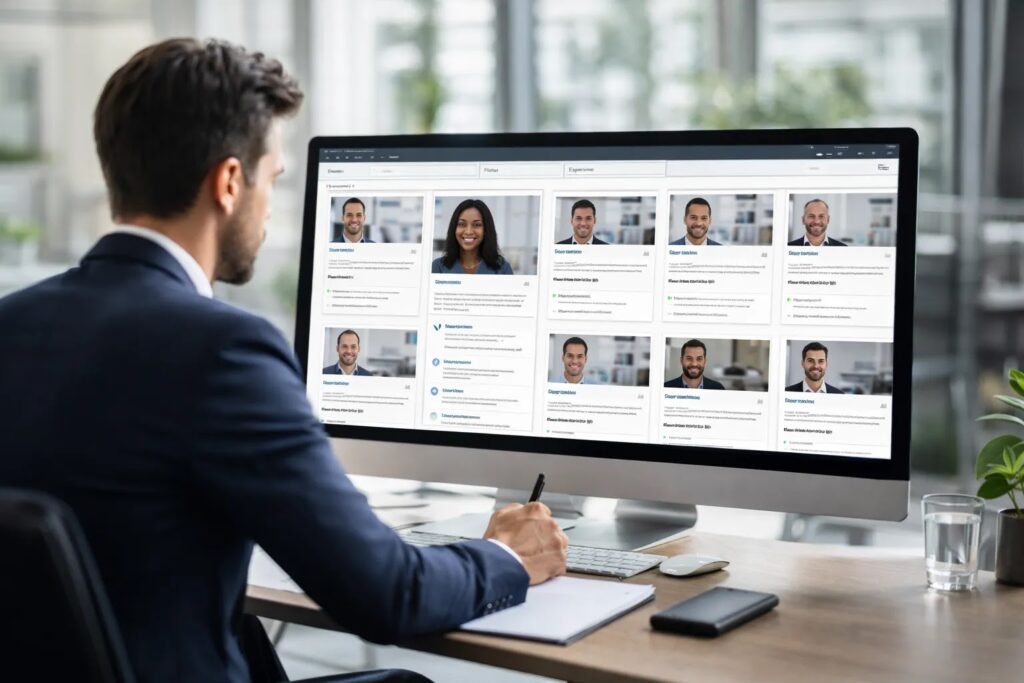
Employers use digital tools to sort through piles of candidates before they even look at a single application. So, if you’re job hunting, you can’t just hit “apply” and hope for the best.
You have to make sure recruiters can actually find you. That starts with your professional materials, your online profiles, and how you look for work. Everything needs to line up so you pop up in the right searches at the right time, when companies are hiring.
If you’re a recent grad, you need to show how your academic work turns into real-world skills people search for. Folks in the middle of their careers have their own challenge; they need to stand out from the crowd and show they’re ready for something bigger. Executives should make it obvious they’re built for leadership roles. Freelancers and remote workers? They have to prove they can handle a range of projects and work styles.
Creating a Resume That Works for Both People and Technology
A strong resume still matters a lot. People used to be your only audience when you wrote, but things have changed since then. You’ve got to get past automated systems, too. The application tracking system (ATS) uses its keyword detection system to screen resumes based on job titles, required skills, and specific keywords.
Your resume will never reach the employer, even though you match all the requirements for the position. That’s why you can’t just focus on how your resume looks. Your final results will depend on how you organise your content, which words you choose, and which points you decide to emphasise.
Organise the content into distinct sections, each with its own title. The job titles should match what exists in the current job market. The information about your experience should be presented in short, direct bullet points that ATS systems can process effectively.
You can also build your resume for free on Monster. It’s a free AI resume builder that enables you to maintain a clean format while making fast adjustments for various job requirements, preventing you from needing to begin your work from scratch. Such a resume would lead to employment opportunities.
Preparing for a Job Search with Discoverability in Mind
Getting ready to look for work never just means tweaking a resume – it takes planning around how hiring managers actually find your professional presence. Searchers might look up things like your skills, where you live, how much time you have worked, or whether you want jobs that are online-only or a mix of office and remote days. Showing up in these results means thinking ahead and knowing which details to place where, so everything lines up smoothly across different sites. Begin by setting up clear ideas about the jobs you aim for and the fields they are in.
Pick word choices based on those real-world job ad phrases. Staying aligned across your resume, online profile, and job apps builds trust. When information feels unclear or doesn’t match up, it might hide what’s really happening or spark doubt.
When it comes to sharing updates, the cadence matters too. Sending fresh details now and then shows initiative, which tends to increase how often your profile appears in hiring team lookups. People who work in fields where moving roles or climbing ranks is part of the journey – they’ll notice a difference.
Spotlighting what you’ve done lately, along with skills that travel well across jobs, holds extra weight right now. Starting early doesn’t stop after week one – it runs alongside everything, adjusting when schedules change or roles grow. Visibility stays high because preparation never really pauses.

Aligning Your Application Strategy with How Employers Hire
If you want to stand out, you can’t just sit around waiting for job postings to pop up. Employers don’t either. They’re always on the lookout, tracking talented people long before there’s an opening. Sometimes, they don’t even bother posting a job at all; they already know who they want, thanks to their networks and databases. So, if you keep your profile up to date and stay visible, you get noticed before the crowd even knows there’s a race.
Serious job seekers don’t just blast out applications everywhere. They care about finding a place where they actually fit, where their skills and goals align with the company’s needs. When you focus your search like that, your applications make more sense to hiring software, too. If your experience matches what they’re looking for, you move through the process faster because it just makes sense.
For executives, it’s all about showing leadership, real results, and their impact on big decisions. Freelancers, on the other hand, do best when they zero in on what they’re best at and show exactly what kinds of projects they deliver.
Conclusion
It’s not just filling application fields that matters – it’s showing up clearly when recruiters scroll through online networks. With most hiring now tied to software searches, where you stand in search results can make or break visibility.
What lands on a screen should link back to real experience, not only phrases that match job descriptions, but proof of impact that catches eyes.
How you present skills needs to satisfy automated checks while holding the reader’s interest line by line. Start by targeting specific jobs, pulling words directly from real ads, and making sure details match over time.


Community Discussion
Join the conversation. Ask questions, share solutions, and help others.
Be the first to start the discussion!